
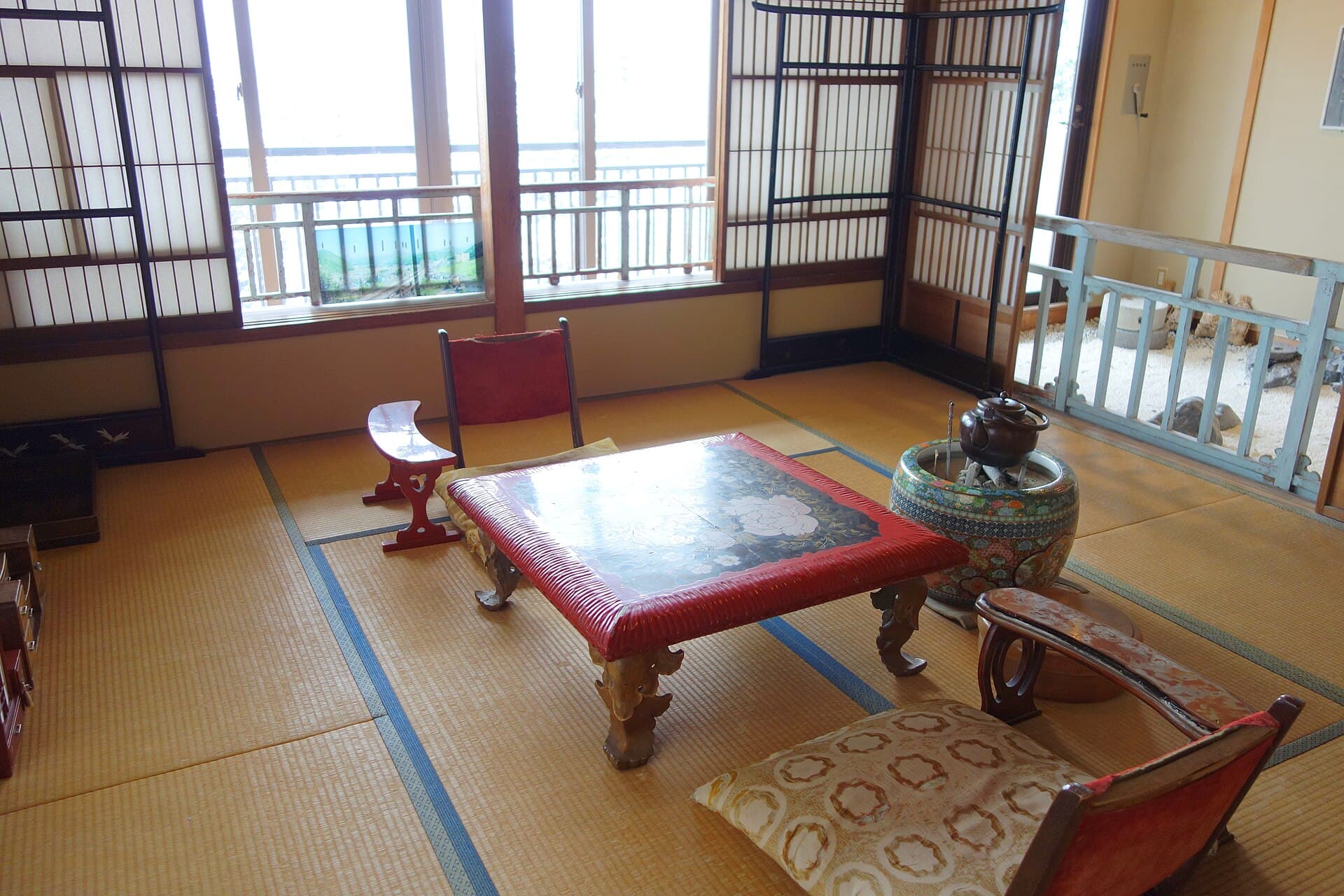
Soaking in the hot spring, unhurried over a dinner that arrives right to your room, wandering a hot-spring town with absolutely no plan — a ryokan may honestly be at its best when you're alone. In Japan, "onsen hitoritabi (温泉一人旅)" — the solo hot-spring trip — is common enough to be its own genre of travel. There's really just one obstacle: finding a ryokan that will take a party of one.
Ryokan aren't hesitant about solo guests because they don't want the business — it's that the cost of the room, the meal, and the service barely changes whether one person books it or two, but the revenue is cut in half. That's why the real move is finding ryokan with a dedicated single-occupancy rate.
How to find ryokan that take solo guests
- 1Set your search to "1 adult" — the most reliable method. Ryokan without a single-occupancy plan simply won't show up in results, so anything that does appear is, by definition, solo-friendly → Search with 1 adult
- 2Go on a weekday — a lot of ryokan close off their single-occupancy plans on weekends and during peak season. Weekdays give you far better odds of availability, and lower rates too
- 3Compare total cost, not the per-person rate — a single-occupancy rate typically runs 1.3–1.5x the per-person rate for two guests. That's not a markup, it reflects the fixed cost of the room, meal, and service — the total you pay is still more than 30% less than booking for two
What works better solo
- Ryokan near a train station — traveling alone means no one to help with bags or split a rental car with. Being within walking distance of a station (699 properties in our database) has an outsized effect on how smooth the trip feels → Station-adjacent ryokan
- Hot-spring towns built around public bathhouses — towns with things to do outside the ryokan itself are more fun solo. Kusatsu (an evening walk around the Yubatake plus free public baths), Kinosaki (a circuit of 7 public bathhouses), and Beppu (the hell tour plus back-alley baths) are the standouts
- Ryokan with a separate dining hall (shokujidokoro) — if eating a full kaiseki course alone in your room feels awkward, a ryokan with individual dining-hall seating is more comfortable. If a solo feast in your room is exactly the fantasy, go for in-room dining (heyashoku) instead
What to budget for a solo trip
If the two-guest median runs around $190 total for one night, a realistic range for a single-occupancy plan is roughly $120–150. For better value, regions with lower medians like Nagano or Beppu are worth a look — or check the price report first to see how regions stack up.
What's actually better about going alone
- Better odds of having the bath to yourself — a weekday solo trip means a decent chance of having the open-air bath entirely to yourself, especially late at night or early morning
- Full attention on the meal — kaiseki is designed to be savored course by course. Eating in total focus, with no conversation to split your attention, is a solo-only luxury
- Total freedom over your schedule — a nap right after check-in, a bath at 3am, a walk at sunrise — nothing needs to be coordinated with anyone else
💡 If getting a photo of yourself in a yukata feels awkward alone, just ask the front desk — most staff are happy to help. For how to actually put one on, see our yukata guide.
Getting started is simple — run a nationwide search with 1 adult. Every ryokan that shows up is one that welcomes you.
Where can you experience this?
Book directly at Japan's best onsen towns with Ryokanear.