
Japan's New Year period (nenmatsu-nenshi, 年末年始) is the country's biggest holiday stretch — think Christmas and New Year's rolled into one. From December 29 to January 3, the whole country slows down as families gather, and one of the most beloved ways to spend it is ringing in the new year at a ryokan. As a result, ryokans book out earliest — and priciest — for this window more than any other time of year.
The real value of a New Year ryokan stay isn't the room — it's the holiday experience package. Osechi cuisine, the Joya no Kane bell-ringing, your first onsen soak of the year — you get the whole of a Japanese New Year in one stay.
Things You Can Only Experience at a New Year Ryokan
Omisoka (大晦日) — New Year's Eve
Many ryokans follow the evening kaiseki with toshikoshi soba (year-crossing buckwheat noodles) — long, thin noodles symbolizing a long life and a clean break from the year's bad luck. Around midnight, temple bells ring out Joya no Kane, 108 times, and there's no better way to hear them than soaking in a hot bath as the year turns over.
Gantan (元旦) — New Year's Morning
The day starts with hatsuyu (初湯), your first bath of the new year, followed by a breakfast built around osechi (おせち), layered New Year's dishes, and ozoni (お雑煮), a mochi rice-cake soup. Every osechi ingredient carries a wish — for health, prosperity, or long life — and the finer the ryokan, the more elaborate the spread.
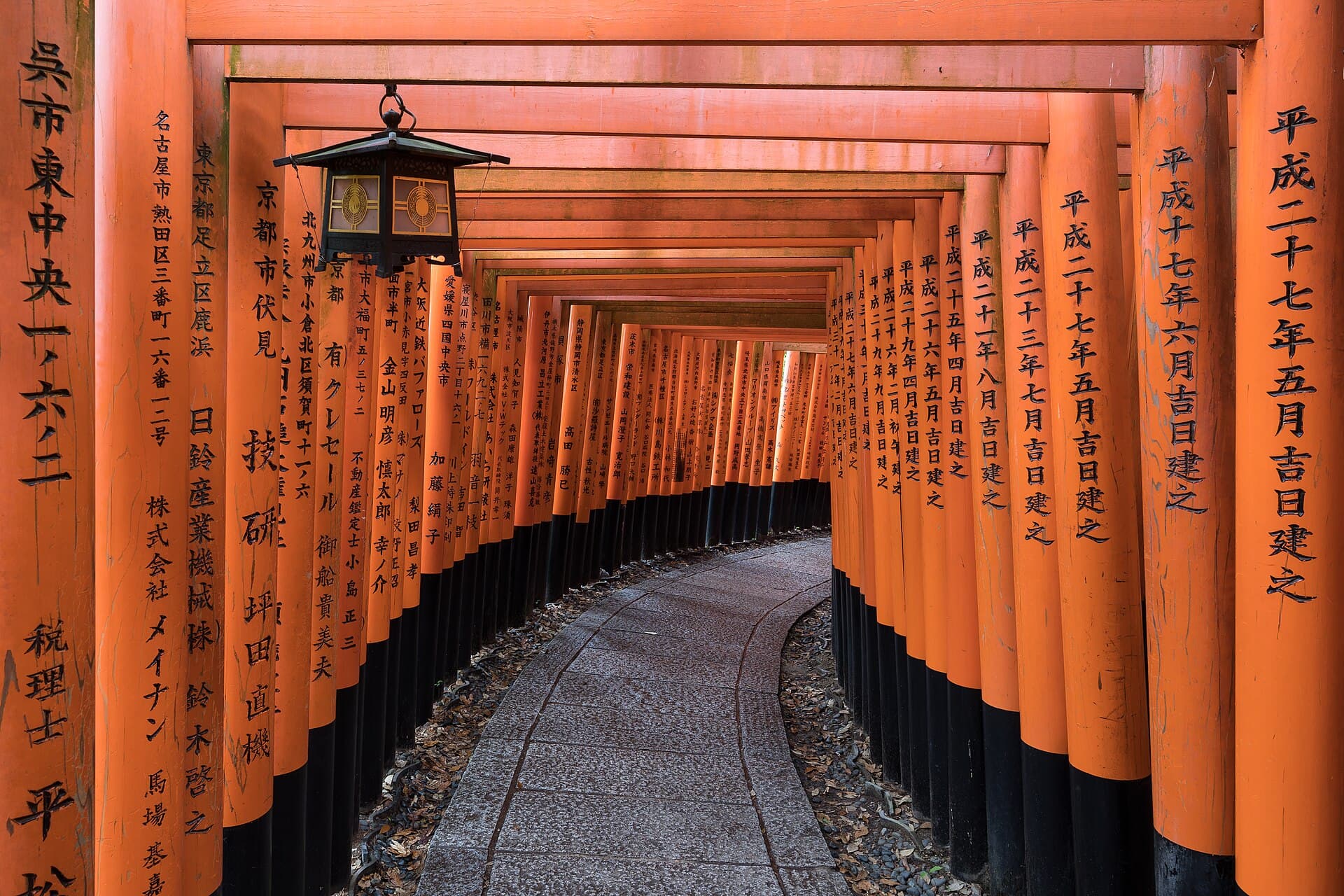
Hatsumode (初詣) — The Year's First Shrine Visit
Walking to a nearby shrine for the year's first prayer is another quintessential part of the season. It's an especially nice touch when the onsen town sits near a famous shrine — Hakone Shrine in Hakone, or Yasaka Shrine in Kyoto.
Booking Strategy — Different Rules Apply
- 1Book three to six months ahead as a baseline. Popular ryokans start filling their New Year dates as early as summer. Have something locked in by October at the latest.
- 2Expect premium pricing. 1.5 to 2 times the usual rate is standard, and some ryokans require a minimum two-night stay.
- 3A December 27–29 check-in is the sweet spot. New Year's Eve itself is the absolute peak, but the days just before it are comparatively relaxed and affordable — the best balance of festive atmosphere and reasonable price.
- 4Prices fall off a cliff after January 4. Once the holiday ends, rates drop sharply. If a winter onsen trip is your real goal rather than the holiday experience itself, mid-January offers the best value — see our Snow-View Onsen Guide.
Choosing a Region
- Snow plus New Year's → Best Hokkaido Snow-View Ryokans. A New Year spent in the snow is picture-perfect.
- A short trip out of Tokyo → Best Hakone Open-Air Bath Ryokans. Perfect for pairing with hatsumode.
- A traditional New Year → Best Kyoto Kaiseki Ryokans. The heartland of osechi cuisine.
- A milder winter down south → Yufuin and Beppu. Kyushu stays relatively mild even in the depths of winter.
💡 Flights spike over the New Year period too. Lock in your ryokan and flights in the same week — that's the key to keeping your total trip cost under control. Also double-check whether dinner on December 31 is included in your rate, since some ryokans charge for it separately.
Once you've settled on your dates, compare options in our nationwide ryokan search.
Where can you experience this?
Book directly at Japan's best onsen towns with Ryokanear.