
"When's the best time to visit a ryokan?" is the question we hear most, and the honest answer is: it depends what you're after. The same ryokan becomes a completely different trip depending on the season — the view from the open-air bath, the ingredients on your kaiseki tray, even the price and the crowds all shift with the calendar. Here's the breakdown, season by season.
Spring (Late March–May) — Cherry Blossoms and New Beginnings
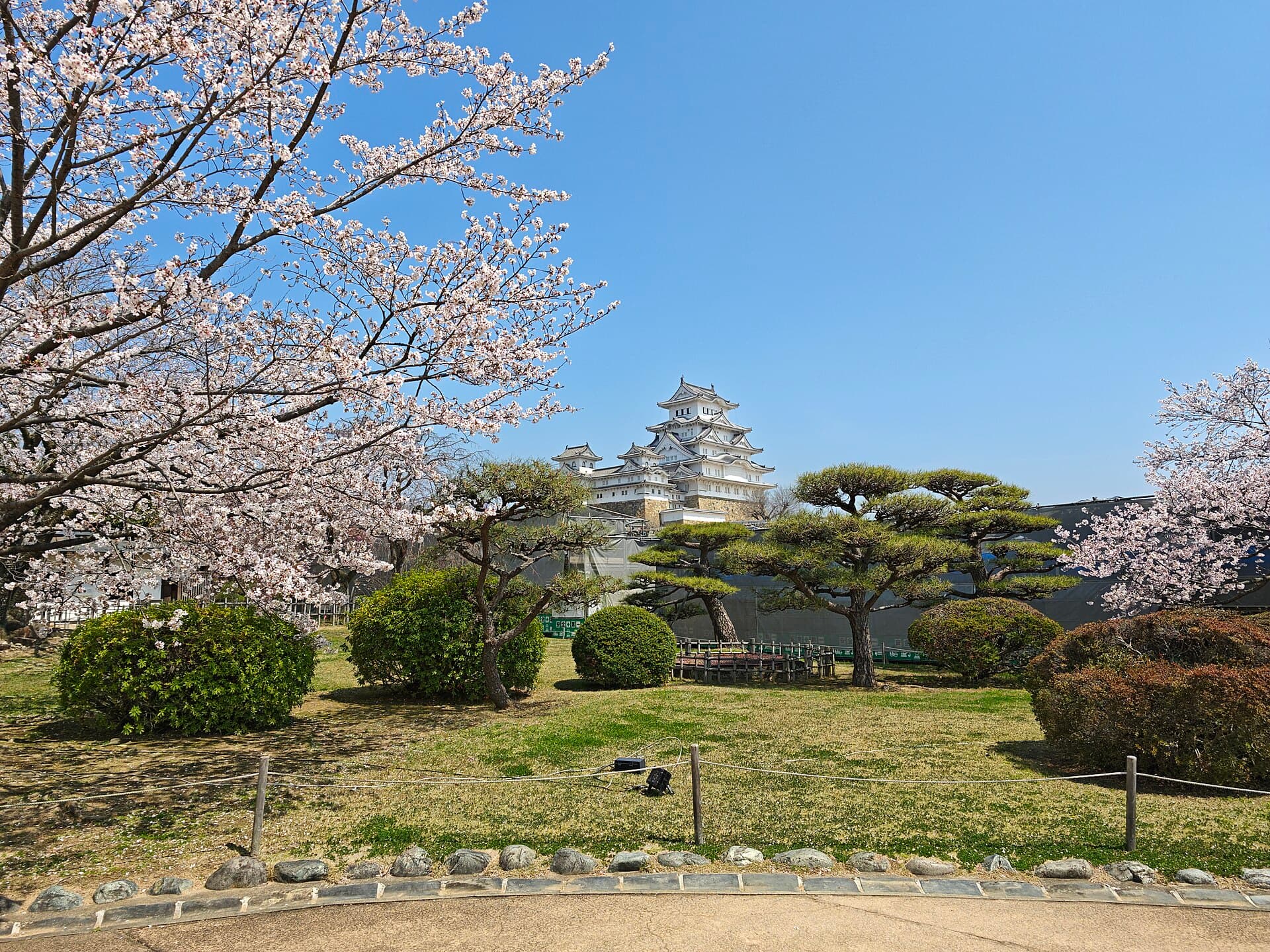
- Highlight: Cherry-blossom-view open-air baths. A ryokan where a weeping cherry tree (shidarezakura) trails over the bath is the kind of thing you remember for a lifetime. The fresh greenery of late April into early May is an underrated gem too.
- Seasonal ingredients: Bamboo shoots, mountain vegetables (sansai), and sakuradai (spring sea bream).
- Heads up: Peak cherry blossom season (late March–early April in Tokyo and Kyoto) is, alongside autumn foliage, the single busiest stretch of the year. Book six months out, and expect top-of-season pricing. Bloom forecasts shift from year to year, so build some slack into your dates.
- Recommended: Kyoto · Hakone
Summer (June–August) — Highlands, Festivals, and Better Value
- Highlight: The lowlands get hot, but highland onsen towns are heaven. Karuizawa, Nagano, and Hokkaido make for a full-on summer escape. Yukata-clad evening festivals and fireworks add their own romance to the season.
- Seasonal ingredients: Ayu (sweetfish), eel, and summer vegetables.
- Insider tip: June's rainy season and early July are among the cheapest windows of the year. Plenty of regulars swear an open-air bath in the rain has its own quiet charm.
- Recommended: Best Nagano Open-Air Baths · Hokkaido Ryokans
Autumn (September–November) — Foliage, the Classic Ryokan Trip
- Highlight: Autumn-foliage open-air baths. The koyo (foliage) front sweeps south, from Hokkaido in September to Kyoto by early December. Weather is about as good as travel gets.
- Seasonal ingredients: Matsutake mushrooms, chestnuts, new-harvest rice (shinmai), and autumn yellowtail.
- Heads up: Kyoto in November rivals cherry-blossom season for crowds. We break down the full strategy in the Autumn Foliage Ryokan Guide.
Winter (December–February) — Snow-View Baths, Onsen at Its Purest
- Highlight: Yukimi-buro — snow-viewing open-air baths — this is onsen culture at its most essential. The colder the air, the better the bath feels.
- Seasonal ingredients: Crab (matsuba and zuwai), yellowtail shabu-shabu, fugu (pufferfish), and oysters.
- Heads up: The New Year holiday period (Dec 29–Jan 3) carries premium pricing — see our New Year Ryokan Guide. Mid-January through early February is the sweet spot for snow and price.
- Recommended: Snow-View Onsen Guide · Best Hokkaido Snow Views
Price and Crowd Calendar, at a Glance
- 1Peak season (highest prices, books out early): Cherry blossom peak, Golden Week (late April–early May), Obon (mid-August), Kyoto foliage in November, the New Year holidays
- 2Busy season: Most weekends, summer school holidays in July–August, winter weekends during snow season (Dec–Feb)
- 3Best-value windows (the same ryokan can run 20–40% cheaper): June's rainy season, mid-January to early February on weekdays, mid-April (right after cherry blossoms), and early December (right after peak foliage)
💡 If you remember one thing: prices swing on Japan's own holiday calendar — Golden Week, Obon, and the New Year — not yours. Build your trip around avoiding those dates rather than your own, and you can land a nicer ryokan for the same budget.
Once you've picked a season, browse ryokans nationwide and filter by open-air bath, snow view, or kaiseki cuisine. Booking your first ryokan? Start with our First-Timer's Checklist.
Where can you experience this?
Book directly at Japan's best onsen towns with Ryokanear.